

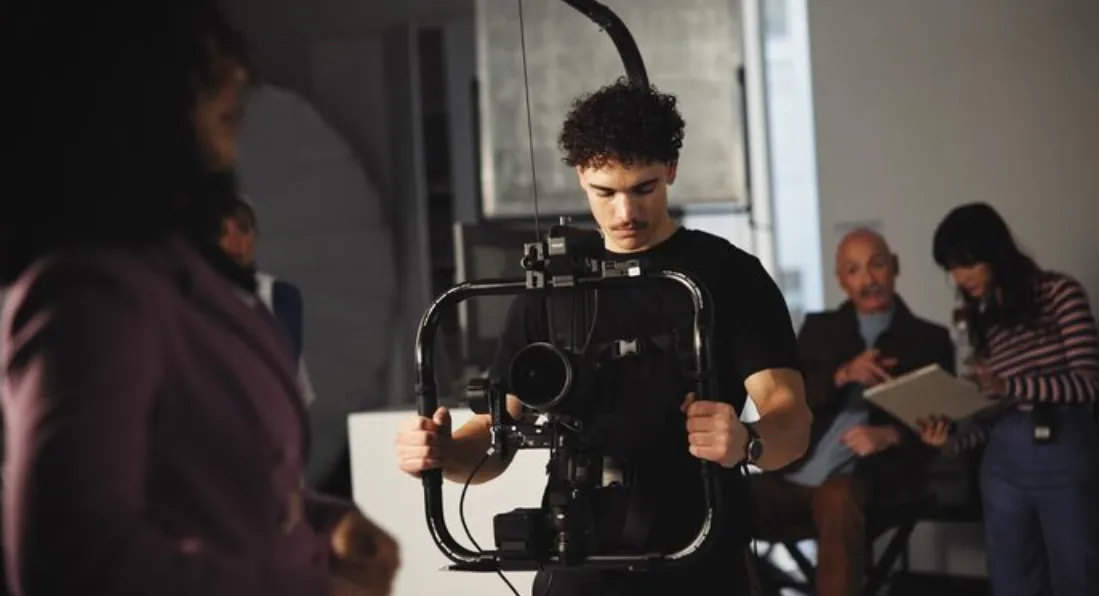
A creative idea may begin as only a scene, character, visual reference, or rough story, but turning that idea into finished footage requires many practical decisions. Professional film production services help connect creative intentions with the work needed to produce them. This can include development, scheduling, casting, locations, crew coordination, filming, and post-production. The strongest production approach does not replace the original idea with a formula. This gives the project a useful starting point. It also helps everyone understand the basic direction.
Developing the Creative Concept
Creative development is where a project starts taking shape. A producer may work with writers, directors, agencies, or clients to understand the intended story and identify what the audience should experience. At this stage, questions about tone, duration, visual style, locations, and available resources can reveal whether the first idea needs adjustment. That does not mean reducing creativity. Practical feedback can actually strengthen a concept by showing where the production should focus its time, budget, and technical effort for the greatest effect.
Building a Practical Production Plan
Once the creative direction is understood, the production needs a workable plan. Schedules, crew requirements, equipment, locations, casting, transport, permits, and contingency arrangements should be considered together. A realistic schedule gives the creative team enough time to achieve important shots without assuming that every setup will happen instantly. Producers also need to identify dependencies between departments. When one delayed task can affect several others, planning those relationships early makes the shoot less vulnerable to small problems that might otherwise become major disruptions.
Selecting the Right Crew
The crew should reflect the needs of the project rather than simply the size of the production. A small narrative piece may need a focused group, while a more demanding shoot can require specialists across camera, lighting, sound, art, wardrobe, production design, and coordination. A dependable media production services partner should know how these roles fit together and where specialist support is genuinely useful. Clear responsibilities help departments work independently while still moving toward the same visual and storytelling objectives during production.
Preparing Locations and Visual Details
Locations often become part of the visual identity of a film, so choosing them requires more than finding an attractive background. Access, noise, lighting conditions, permissions, power, weather exposure, movement, and surrounding activity can all affect the shoot. Production teams may also need to prepare props, set dressing, wardrobe, or other visual details. Visiting locations in advance allows problems to be identified before the crew arrives. It also gives the director and cinematographer a chance to think through framing, movement, and available natural light.
Managing the Shoot
On the shooting day, careful preparation needs to translate into clear action. The production team coordinates call times, setups, performers, equipment, lighting, sound, and changes between scenes. Unexpected issues can still occur, so producers and department heads need to make decisions without losing track of the schedule. Good communication keeps everyone aware of what is happening next. The aim is not to rush every setup, but to protect the most important creative work while using the available production time responsibly and efficiently.
Shaping the Story in Post-Production
The shoot provides the raw material, but editing determines how that material communicates the finished story. Editors work with performances, camera angles, sound, music, pacing, graphics, and transitions to create a coherent sequence. A good post-production process may also include colour work, sound mixing, captions, visual effects, and different delivery versions. Regular reviews help the creative team identify whether the edit still reflects the original concept. Post-production should refine the story rather than hide weaknesses created by unclear planning or incomplete coverage.
Conclusion
Bringing a creative idea to life requires a balance between imagination and practical production discipline. Strong film teams protect the central concept while making sensible decisions about crew, locations, scheduling, equipment, filming, and editing. Clients and creative leads should look for partners that communicate openly and understand both artistic goals and production limitations. Posted-productions.com can be considered when researching production partners that value creative direction alongside practical planning and reliable project coordination. When these areas work together, the project has a better chance of reaching its intended audience without losing its original character. A clear process makes the final delivery easier to manage while keeping everyone aligned throughout production.
